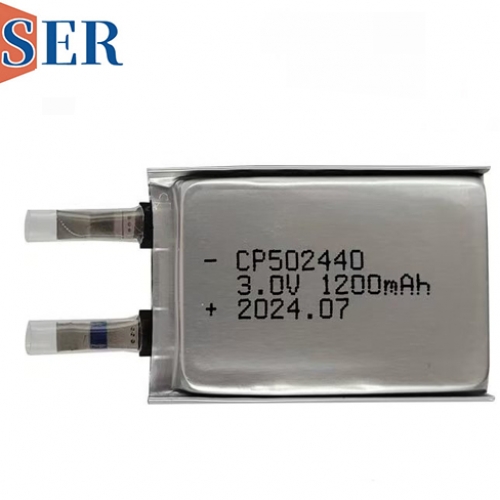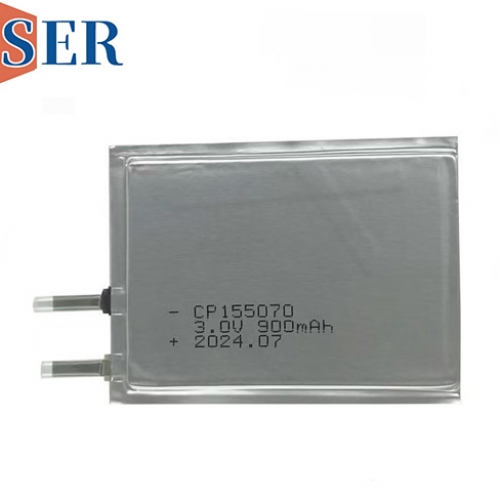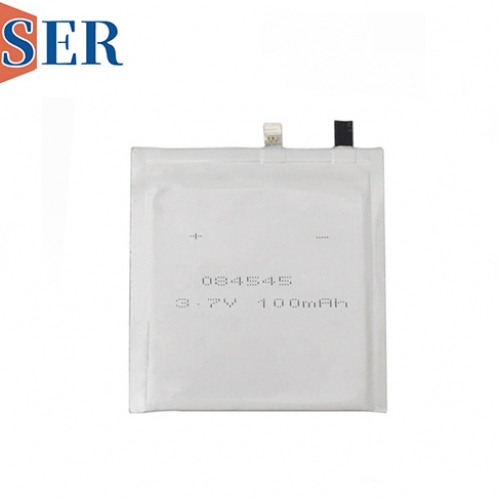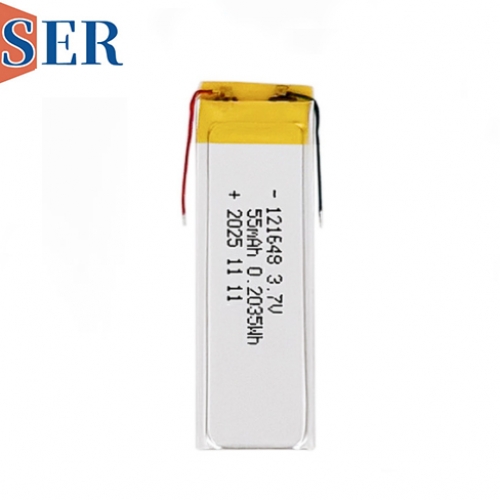
The advantages of LiMNO2 Soft pack battery and best practices in products design
The advantages of LiMNO2 Soft pack battery and best practices in products design
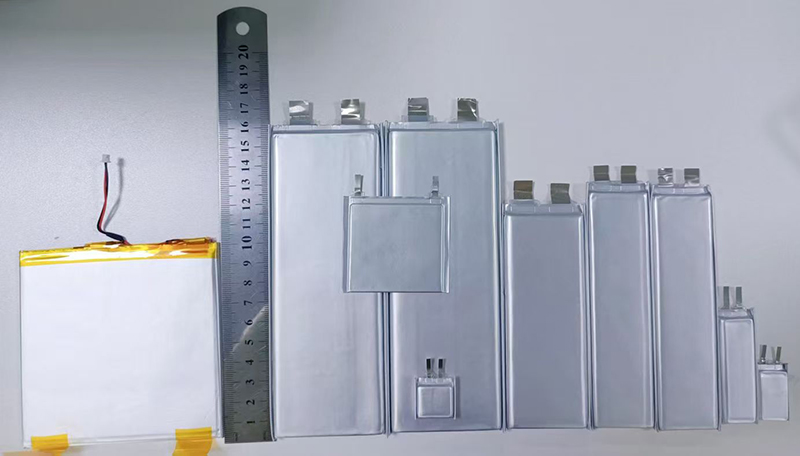
How LiMNO2 Soft Pack Batteries Compare to Other Primary Battery Technologies
To fully appreciate the unique value of LiMNO2 custom flat primary lithium battery solutions, it is important to compare them against the other common primary battery technologies available on the market today.
Compared to standard alkaline batteries, LiMNO2 soft pack cells offer three major advantages: much higher 3.0V nominal voltage, far higher energy density, and a 10+ year shelf life. Alkaline batteries only deliver 1.5V, have much lower energy density, and typically lose 10-20% of their capacity every year even when not in use. The only area alkaline batteries hold an advantage is extremely low upfront cost for standard sizes, but for any product that values slim form factor, long shelf life, or consistent voltage performance, LiMNO2 is the clear superior choice.
Compared to lithium coin cells, LiMNO2 soft pack battery solutions offer dramatically higher capacity and much more flexible form factors. Coin cells are limited to small, thick, circular shapes that cannot fill large flat spaces inside a device, and their maximum capacity is usually limited to just a few hundred mAh. LiMNO2 soft pack batteries can deliver many thousands of mAh in the same total thickness as a large coin cell, and their flat, customizable shape makes them far more versatile for modern product designs.
Compared to other lithium primary chemistries like lithium thionyl chloride (Li-SOCl2), LiMNO2 offers vastly superior safety, much better high-rate discharge performance, and a far more environmentally friendly electrolyte formulation. Li-SOCl2 battery deliver high energy density but use highly corrosive, pressurized electrolytes that pose significant safety risks if the cell is damaged, and they are not suitable for high-current applications like powering a smartphone charging circuit in a single-use power bank. LiMNO2 soft pack cells, by contrast, can easily handle moderate to high discharge rates without overheating or degrading, making them suitable for a far wider range of consumer-facing applications.
Across every comparison, the unique combination of Custom pouch construction, ultra-slim profile, 3.0V stable output, and exceptional safety makes LiMNO2 soft pack batteries the most well-rounded choice for modern low-to-medium power primary battery applications.
Best Practices for Integrating LiMNO2 Soft Pack Batteries Into Your Product Design
To get the maximum performance and reliability out of your LiMNO2 Ultra-Thin Battery integration, there are several simple best practices that every product designer should follow.
First, always work closely with your battery manufacturer early in the product design process. Even though custom flat primary lithium battery customization is simple, sharing your exact enclosure dimensions, power requirements, and assembly process details with the battery supplier early will help them recommend the optimal cell dimensions, tab placement, and connection method for your specific use case. This avoids costly redesigns later in the development process.
Second, avoid subjecting the soft pack cell to excessive bending, twisting, or sharp point pressure. While the Custom pouch construction is far more durable than many people expect, puncturing the aluminum-laminated casing can expose the internal chemistry to air and moisture, leading to performance degradation. Design your internal enclosure with smooth, rounded edges around the battery compartment, and leave a small amount of tolerance for minor natural expansion of the cell over its long service life.
Third, design your power management circuit to respect the maximum recommended discharge current of the cell. While LiMNO2 soft pack battery technology handles high currents far better than many other primary lithium chemistries, pushing the cell beyond its rated maximum continuous discharge rate can reduce total delivered capacity and shorten the effective service life. Your battery supplier will be able to provide you with detailed discharge curves and current rating data to help you optimize your power circuit.
Finally, always store unassembled LiMNO2 cells in a cool, dry environment at room temperature. While these cells have exceptional low self-discharge performance, storing them at temperatures above 45°C for extended periods will gradually increase self-discharge rates and reduce long-term shelf life. Proper storage will ensure that every battery you install in your product delivers the full 10+ year service life that this technology is capable of.