Self-Discharge in LiSOCL2 Battery, LiPo Battery & Ultra Thin Battery: Causes, Analysis & Serui’s Solutions
Self-Discharge in LiSOCL2 Battery, LiPo Battery & Ultra Thin Battery: Causes, Analysis & Serui’s Solutions
In the realm of lithium battery technology, LiSOCL2 batteries, LiPo batteries (lithium-polymer batteries), and ultra thin batteries stand out for their unique advantages—high energy density, compact design, and long-term reliability. These batteries power a vast array of devices, from industrial sensors and medical equipment to consumer electronics and wearables. However, one inherent characteristic of all batteries that challenges their performance and lifespan is self-discharge. While self-discharge is an unavoidable chemical phenomenon, excessive self-discharge rates can render batteries unusable prematurely, leading to product failures, increased maintenance costs, and customer dissatisfaction. At Serui Battery (www.serui-battery.com), a global leader in lithium battery innovation and manufacturing, we believe that understanding the root causes of self-discharge in LiSOCL2 battery, LiPo batteries, and ultra thin batteries is crucial for optimizing battery performance and ensuring long-term reliability. In this comprehensive guide, we delve into the science of self-discharge, explore the key factors contributing to this phenomenon across different battery types, and showcase how Serui’s advanced technology and rigorous quality control minimize self-discharge to deliver superior battery solutions.
What Is Battery Self-Discharge? A Fundamental Overview
Before exploring the causes, it is essential to define self-discharge and distinguish between normal and excessive rates. Self-discharge refers to the gradual loss of a battery’s capacity when it is in an open-circuit state—i.e., not connected to any load or charging source. This phenomenon occurs due to unintended chemical reactions within the battery, which consume active materials and electrolyte even when the battery is not in use. All batteries, regardless of chemistry or form factor—whether LiSOCL2 batteries, LiPo batteries, or ultra thin batteries—exhibit some degree of self-discharge. It is a natural byproduct of their electrochemical design, and low levels of self-discharge are considered normal and acceptable.
Self-discharge rate is typically expressed in two standard ways, depending on the application and industry requirements:
The key distinction lies between “normal” and “excessive” self-discharge. For LiSOCL2 batteries, a self-discharge rate of ≤1-2% per year is considered excellent, while LiPo batteries typically have higher inherent self-discharge rates (5-10% per month for standard models) due to their gel or liquid electrolyte composition. Ultra thin batteries, which feature thinner electrodes and electrolyte layers, may also exhibit slightly higher self-discharge rates than bulkier counterparts if not engineered properly. Excessive self-discharge—for example, a LiPo battery losing 20% of its capacity in a month or a LiSOCL2 battery losing 5% in a year—indicates underlying issues such as manufacturing defects, material impurities, or design flaws. Such batteries often fail to meet application requirements and may pose hidden risks, including swelling or thermal runaway.
At Serui Battery, we set strict self-discharge rate standards for our products: our LiSOCL2 batteries boast a self-discharge rate of ≤1% per year, our high-performance LiPo batteries achieve ≤3-5% per month, and our ultra thin batteries maintain ≤4-6% per month—all significantly below industry averages. These benchmarks are achieved through advanced material selection, precision manufacturing, and rigorous quality control, ensuring our batteries deliver consistent performance over extended periods.
The Two Categories of Battery Self-Discharge: Reversible vs. Irreversible
Self-discharge in LiSOCL2 batteries, LiPo batteries, and ultra thin batteries can be categorized into two distinct types based on whether the lost capacity or voltage is recoverable: reversible self-discharge (potential loss) and irreversible self-discharge (capacity loss). Understanding the difference between these two types is critical for diagnosing self-discharge issues and optimizing battery performance.
1. Reversible Self-Discharge (Potential Loss)
Reversible self-discharge is a temporary phenomenon primarily related to the kinetics of lithium ion intercalation and deintercalation, rather than the permanent consumption of active materials. It occurs when a battery is at rest, and the electrode potentials of the positive and negative electrodes gradually shift toward a more thermodynamically stable state. This shift causes a reduction in the battery’s open-circuit voltage (OCV), leading to the perception of “lost” capacity. However, this voltage loss is not permanent—when the battery is recharged, the electrode potentials revert to their original states, and the full voltage (and associated capacity) is restored.
Key Characteristics of Reversible Self-Discharge:
For example, a LiPo battery stored at 25℃ for three months may show a 0.1V drop in OCV, but this voltage is fully recovered after a short recharge. Similarly, an ultra thin battery used in a smartwatch may experience a slight voltage dip after weeks of inactivity, but it quickly rebounds when placed on a charger. Reversible self-discharge is generally not a concern for most applications, as it does not degrade the battery’s long-term performance. However, for devices that require immediate high voltage upon activation (e.g., emergency sensors), minimizing reversible self-discharge through proper storage (e.g., cool temperatures, partial state of charge) is recommended.
2. Irreversible Self-Discharge (Capacity Loss)
Irreversible self-discharge is the primary concern for battery manufacturers and users, as it results in permanent capacity loss. This type of self-discharge is caused by continuous, unintended chemical reactions within the battery that consume active lithium ions, electrolyte, or electrode materials. Once these materials are consumed, they cannot be restored through recharging, and the battery’s capacity is permanently reduced. Irreversible self-discharge is the main factor limiting the shelf life and cycle life of LiSOCL2 batteries, LiPo batteries, and ultra thin batteries. Below, we explore the key causes of irreversible self-discharge, which are common across lithium battery chemistries but may manifest differently based on battery type.
Core Causes of Irreversible Self-Discharge in LiSOCL2, LiPo, & Ultra Thin Batteries
Irreversible self-discharge stems from a range of internal 副反应 (side reactions) that disrupt the battery’s normal electrochemical equilibrium. These reactions are influenced by battery chemistry, material quality, manufacturing processes, and storage conditions. Below, we break down the most significant causes, with a focus on their impact on LiSOCL2 batteries, LiPo batteries, and ultra thin batteries.
1. Internal Micro-Short Circuits: A Hidden Culprit
Internal micro-short circuits occur when small, unintended electrical pathways form between the positive and negative electrodes, bypassing the separator. These pathways allow current to flow even when the battery is in an open-circuit state, consuming active materials and causing rapid irreversible self-discharge. Micro-short circuits are a leading cause of excessive self-discharge in all lithium batteries, including LiSOCL2 batteries, LiPo batteries, and ultra thin batteries. The primary triggers for micro-short circuits include:
1.1 Lithium Dendrite Penetration
Lithium dendrites are needle-like metallic lithium structures that form on the negative electrode during charging, cycling, or storage. These dendrites grow over time and can pierce the separator—especially if the separator is thin or has low mechanical strength—creating a direct electrical connection between the positive and negative electrodes. For LiPo batteries and ultra thin batteries, which often use thinner separators to achieve compact designs, dendrite penetration is a particular risk. LiSOCL2 batteries, which are primary (non-rechargeable) batteries, are less prone to dendrite formation during normal use but can still develop dendrites if subjected to overcharging (though this is rare for primary batteries) or improper storage.
The formation of lithium dendrites is influenced by several factors:
Once dendrites pierce the separator, a micro-short circuit forms, leading to continuous capacity loss. In severe cases, dendrite-induced short circuits can cause localized heating, gas production, and battery swelling—posing safety risks.
1.2 Impurity Particles
The presence of metal impurity particles (e.g., iron, copper, zinc) in the battery cell is another major cause of micro-short circuits. These impurities are often introduced during the manufacturing process—for example, through contaminated raw materials, dust in the production environment, or wear from manufacturing equipment. For ultra thin batteries, which require extremely precise manufacturing tolerances, even tiny impurity particles (as small as 10μm) can cause issues.
The mechanism behind impurity-induced micro-short circuits is as follows:
LiSOCL2 batteries, which use lithium metal as the negative electrode, are particularly sensitive to metal impurities, as the high reactivity of lithium can accelerate the growth of metal whiskers. LiPo batteries and ultra thin batteries are also vulnerable, especially if their manufacturing environment does not meet strict cleanroom standards.
1.3 Separator Defects
The separator is a critical component that prevents direct contact between the positive and negative electrodes while allowing lithium ions to pass through. Defects in the separator—such as uneven thickness, excessively large pores, or physical damage—create pathways for micro-short circuits. For ultra thin batteries and LiPo batteries, which often use thin, flexible separators (e.g., polyethylene, polypropylene), separator defects are more likely to lead to self-discharge issues.
Common separator defects include:
LiSOCL2 batteries, which are often used in high-temperature industrial applications, require separators with excellent thermal stability to prevent shrinkage and defects. Serui Battery addresses this by using ceramic-coated separators for our LiSOCL2 batteries, LiPo batteries, and ultra thin batteries—enhancing mechanical strength, thermal stability, and resistance to defects.
1.4 Current Collector Burrs
The positive and negative electrodes of lithium batteries are constructed by coating active materials onto current collectors—aluminum foil for the positive electrode and copper foil for the negative electrode. During the manufacturing process, the current collectors are cut into precise shapes, and this cutting process can create tiny burrs (sharp, protruding edges) on the foil. These burrs are particularly problematic for ultra thin batteries and LiPo batteries, which have minimal spacing between the electrodes and separator.
If the burrs are long enough (exceeding the thickness of the electrode coating), they can pierce the separator, creating a direct electrical connection between the current collector and the opposing electrode. This results in a micro-short circuit that causes continuous self-discharge. For LiSOCL2 batteries, which have a lithium metal negative electrode, burrs on the copper current collector can react with the lithium, accelerating self-discharge and potentially causing gas production.
At Serui Battery, we eliminate current collector burrs through a multi-step process: precision laser cutting (which produces clean edges), post-cutting deburring (using ultrasonic cleaning and mechanical polishing), and 100% visual inspection with high-resolution cameras. This ensures that our LiSOCL2 batteries, LiPo batteries, and ultra thin batteries are free from burr-induced micro-short circuits.
2. Interface Side Reactions: Instability of the SEI Film
The Solid Electrolyte Interface (SEI) film is a thin, passivating layer that forms on the surface of the negative electrode (e.g., graphite in LiPo batteries, lithium metal in LiSOCL2 batteries) during the first few charge-discharge cycles. The SEI film plays a critical role in battery performance: it allows lithium ions to pass through while preventing the electrolyte from reacting directly with the electrode. However, the SEI film is not thermodynamically stable—it undergoes continuous growth and decomposition during storage and use, leading to irreversible self-discharge. This is the primary cause of self-discharge in graphite-based LiPo batteries and ultra thin batteries, and a significant factor for LiSOCL2 batteries.
2.1 SEI Film Growth and Repair
During storage, the SEI film does not remain static. Instead, it continues to grow slowly as the electrolyte reacts with the negative electrode surface. This growth consumes active lithium ions and electrolyte components (e.g., solvents, lithium salts), leading to permanent capacity loss. The rate of SEI film growth is influenced by several factors:
For LiSOCL2 batteries, which use lithium metal as the negative electrode, the SEI film is formed during manufacturing (since they are primary batteries). However, this film can still grow during storage, especially if the battery is exposed to high temperatures, consuming lithium metal and reducing capacity.
2.2 SEI Film Decomposition
In addition to growth, the SEI film can decompose under certain conditions, leading to increased self-discharge. High temperatures are the primary trigger for SEI decomposition—exposure to temperatures above 60℃ can cause the SEI film to break down, exposing fresh negative electrode surface to the electrolyte. This fresh surface reacts with the electrolyte to form a new SEI film, consuming additional lithium ions and electrolyte. This cycle of decomposition and regeneration accelerates irreversible self-discharge.
LiPo batteries and ultra thin batteries used in high-temperature environments (e.g., outdoor electronics, automotive applications) are particularly vulnerable to SEI decomposition. LiSOCL2 batteries, which are often deployed in extreme temperature conditions (e.g., oil drilling, industrial sensors), are engineered with SEI-stabilizing electrolyte additives to prevent decomposition.
At Serui Battery, we address SEI film instability through advanced electrolyte formulation. Our LiPo batteries and ultra thin batteries use custom electrolyte blends with additives such as vinylene carbonate (VC) and fluoroethylene carbonate (FEC), which promote the formation of a dense, stable SEI film. For our LiSOCL2 batteries, we add specialized stabilizers that prevent SEI growth and decomposition, even in temperatures ranging from -55℃ to 150℃. These innovations significantly reduce self-discharge rates and extend battery lifespan.
3. Cathode Material Side Reactions
The positive electrode (cathode) material is another source of irreversible self-discharge, particularly in LiPo batteries and ultra thin batteries that use high-energy-density cathodes such as nickel-rich NMC (e.g., NMC811) or NCA. These materials are prone to side reactions that consume lithium ions and electrolyte, leading to capacity loss. LiSOCL2 batteries, which typically use manganese dioxide (MnO2) or thionyl chloride (SOCl2) as the cathode material, are less prone to these reactions but still experience cathode-related self-discharge under certain conditions.
3.1 Reaction of Residual Lithium with Electrolyte
High-nickel cathode materials (NMC811, NCA) often contain residual lithium compounds on their surface, such as lithium carbonate (Li₂CO₃) and lithium hydroxide (LiOH). These compounds form during the cathode manufacturing process and are difficult to completely remove. When the battery is stored or used, these residual lithium compounds react with the electrolyte’s solvents (e.g., carbonate-based solvents) and lithium salts (e.g., LiPF₆), producing gaseous byproducts (e.g., CO₂, H₂O) and consuming lithium ions. This reaction not only causes irreversible self-discharge but also generates gas, which can lead to battery swelling—especially in LiPo batteries and ultra thin batteries with flexible packaging.
3.2 Dissolution of Transition Metal Ions
Cathode materials contain transition metals such as manganese (Mn), nickel (Ni), and cobalt (Co). Under high temperatures or high potentials, these transition metal ions can dissolve from the cathode into the electrolyte. For example, Mn²⁺ ions may dissolve from NMC cathodes, especially if the cathode is not properly coated or stabilized. These dissolved metal ions migrate to the negative electrode, where they deposit on the SEI film, disrupting its structure and accelerating SEI decomposition. This process consumes lithium ions and electrolyte, leading to increased self-discharge.
LiSOCL2 batteries, which use cathodes with more stable metal oxides (e.g., MnO2), experience minimal transition metal dissolution. However, LiPo batteries and ultra thin batteries with high-nickel cathodes are particularly vulnerable. Serui Battery mitigates this issue by using cathode materials with surface coatings (e.g., aluminum oxide, zirconium oxide) that prevent metal ion dissolution. We also select cathode materials with low residual lithium content, reducing electrolyte reactions and self-discharge.
4. Electrolyte Oxidation/Reduction
The electrolyte is a critical component that facilitates lithium ion transfer between the electrodes. However, the electrolyte’s organic solvents and lithium salts are not completely stable—they can undergo slow oxidation at the cathode (high potential) or reduction at the anode (low potential) during storage, leading to irreversible self-discharge. This process consumes electrolyte and produces decomposition products that can further accelerate side reactions.
4.1 Electrolyte Oxidation at the Cathode
At the cathode, the high potential (typically 3.6-4.2V for LiPo batteries) can cause the electrolyte’s organic solvents (e.g., ethylene carbonate, dimethyl carbonate) to undergo slow oxidation. This oxidation reaction breaks down the solvent molecules, producing gaseous byproducts (e.g., CO₂, CO) and consuming electrolyte. The rate of oxidation increases with temperature and cathode potential—high-nickel cathodes (which have higher potentials) and high-temperature storage conditions accelerate this process.
4.2 Electrolyte Reduction at the Anode
At the anode, the low potential (near 0V vs. Li/Li⁺) can cause the electrolyte’s solvents to undergo reduction. For graphite anodes in LiPo batteries and ultra thin batteries, this reduction reaction contributes to SEI film growth, but excessive reduction (beyond SEI formation) can consume electrolyte and lithium ions. For lithium metal anodes in LiSOCL2 batteries, electrolyte reduction is minimized by the stable SEI film, but high temperatures or impurities can accelerate this process.
The choice of electrolyte composition is critical for minimizing oxidation/reduction. Serui Battery develops custom electrolyte formulations for our LiSOCL2 batteries, LiPo batteries, and ultra thin batteries, selecting solvents with high oxidation/reduction stability and adding antioxidants and stabilizers. For example, our LiPo battery electrolytes use a blend of ethylene carbonate (EC) and ethyl methyl carbonate (EMC) with high thermal stability, while our LiSOCL2 battery electrolytes include specialized additives that prevent solvent decomposition even at 150℃. These formulations reduce electrolyte-related self-discharge and extend battery life.
Self-Discharge Differences Across LiSOCL2, LiPo, & Ultra Thin Batteries
While the core causes of self-discharge are similar across lithium battery chemistries, the magnitude and dominant mechanisms vary between LiSOCL2 batteries, LiPo batteries, and ultra thin batteries. Understanding these differences is critical for selecting the right battery for your application and optimizing its performance.
LiSOCL2 Battery: Ultra-Low Self-Discharge for Long-Term Deployment
LiSOCL2 batteries are primary (non-rechargeable) batteries known for their ultra-low self-discharge rates—typically ≤1% per year. This makes them ideal for applications requiring long-term, maintenance-free power, such as industrial sensors, smart meters, and remote monitoring devices. The key factors contributing to their low self-discharge are:
The primary self-discharge mechanisms for LiSOCL2 batteries are:
Serui’s LiSOCL2 batteries are engineered to minimize these mechanisms, with ultra-pure raw materials, strict cleanroom manufacturing, and electrolyte stabilizers. Our LiSOCL2 batteries can retain over 95% of their capacity after 5 years of storage, making them the top choice for long-term industrial applications.
LiPo Battery: Balancing Energy Density and Self-Discharge
LiPo batteries are rechargeable batteries with high energy density and flexible form factors, making them popular for consumer electronics, drones, and portable devices. Their self-discharge rates are higher than LiSOCL2 batteries—typically 5-10% per month for standard models—due to their gel/liquid electrolyte and graphite anode. The dominant self-discharge mechanisms for LiPo batteries are:
Serui’s high-performance LiPo batteries address these issues with:
Our LiPo batteries achieve self-discharge rates of ≤3-5% per month, outperforming industry standards and extending device runtime between charges.
Ultra Thin Battery: Overcoming Thin-Film Challenges
Ultra thin batteries (typically ≤5mm thick) are designed for compact, space-constrained applications such as wearables, medical patches, and flexible electronics. Their thin electrode and electrolyte layers make them more prone to self-discharge than bulkier batteries, as they have a higher surface-area-to-volume ratio (increasing side reaction rates) and thinner separators (increasing short circuit risk). The key self-discharge mechanisms for ultra thin batteries are:
Serui’s ultra thin batteries overcome these challenges through:
Our ultra thin batteries achieve self-discharge rates of ≤4-6% per month, making them suitable for long-term use in compact devices.
Why Serui Battery’s LiSOCL2, LiPo, & Ultra Thin Batteries Have Superior Self-Discharge Performance
At Serui Battery (www.serui-battery.com), we have spent over 20 years refining our battery technology to minimize self-discharge and deliver exceptional reliability. Our approach combines advanced R&D, strict quality control, and customer-centric design—ensuring our LiSOCL2 batteries, LiPo batteries, and ultra thin batteries meet the most demanding application requirements. Here’s what sets us apart:
1. Advanced Material Selection and Formulation
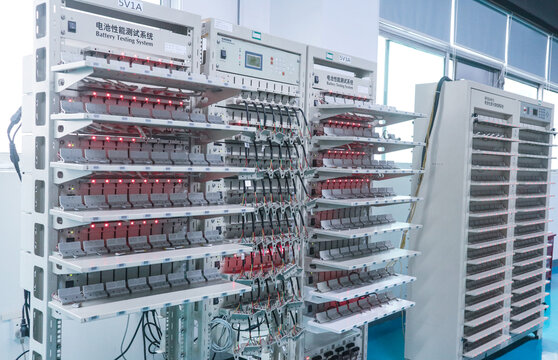
2. Rigorous Manufacturing Quality Control
3. Customized Design for Specific Applications
We understand that self-discharge requirements vary by application. For example, a LiSOCL2 battery used in a remote sensor may need a self-discharge rate of ≤1% per year, while a LiPo battery used in a smartphone may tolerate 5% per month. Our engineering team works closely with customers to customize battery designs for their specific needs:
4. Comprehensive Quality Certifications
Our commitment to quality is validated by international certifications, including ISO9001 (quality management), ISO14001 (environmental management), CE (safety), RoHS (environmental protection), and UN38.3 (transport safety). These certifications ensure our LiSOCL2 batteries, LiPo batteries, and ultra thin batteries meet global standards for performance and safety, including low self-discharge rates.
Real-World Applications: Serui’s Low Self-Discharge Batteries in Action
Serui Battery’s LiSOCL2 batteries, LiPo batteries, and ultra thin batteries are trusted by customers in over 50 countries, powering critical applications across industries. Here are a few examples of how our low self-discharge technology delivers value:
Industrial Sensors: LiSOCL2 Battery for Remote Oil & Gas Monitoring
An oil and gas company needed a battery for its downhole sensors, which are deployed for 5-10 years without maintenance. Conventional LiSOCL2 batteries had self-discharge rates of 3-5% per year, leading to premature failure. Serui’s LiSOCL2 batteries, with a self-discharge rate of ≤1% per year, have operated reliably for over 8 years in these harsh environments, providing consistent power for data transmission and sensor operation. The low self-discharge rate has eliminated costly maintenance and replacement, saving the company millions in operational costs.
Wearable Devices: Ultra Thin Battery for Fitness Trackers
A leading wearable technology company required an ultra thin battery (3mm thick) for its fitness trackers, which need to retain 80% of their capacity after 6 months of storage. Conventional ultra thin batteries had self-discharge rates of 8-10% per month, leading to customer complaints about short battery life. Serui’s ultra thin battery, with a self-discharge rate of ≤5% per month, retains 70% of its capacity after 6 months—exceeding the company’s requirements. The battery’s compact design and low self-discharge have improved the tracker’s runtime and customer satisfaction.
Medical Devices: LiPo Battery for Portable Diagnostic Tools
A medical device company needed a LiPo battery for its portable diagnostic tools, which are stored for up to 1 year before use. The battery required a self-discharge rate of ≤4% per month to ensure it is fully functional when needed. Serui’s custom LiPo battery, with a self-discharge rate of ≤3% per month, has been used in the devices for over 3 years with no performance issues. The low self-discharge rate has reduced inventory waste (since batteries do not need to be replaced due to capacity loss) and ensured reliable operation in critical medical settings.
Choosing the Right Battery: Key Considerations for Low Self-Discharge
When selecting a LiSOCL2 battery, LiPo battery, or ultra thin battery for your application, consider the following factors to ensure low self-discharge and long-term reliability:
1. Understand Your Application Requirements
2. Evaluate the Manufacturer’s Quality Standards
3. Review Battery Specifications
4. Follow Proper Storage and Use Guidelines
Even the best battery will experience increased self-discharge if stored or used improperly. Follow these best practices:
Conclusion: Trust Serui Battery for Low Self-Discharge LiSOCL2, LiPo, & Ultra Thin Batteries
Self-discharge is an inherent characteristic of LiSOCL2 batteries, LiPo batteries, and ultra thin batteries, but excessive self-discharge is not inevitable. By understanding the root causes—internal micro-short circuits, SEI film instability, cathode side reactions, and electrolyte oxidation/reduction—and partnering with a manufacturer that prioritizes advanced technology and strict quality control, you can ensure your batteries deliver long-term reliability and performance.
At Serui Battery (www.serui-battery.com), we are committed to pushing the boundaries of lithium battery technology to minimize self-discharge. Our LiSOCL2 batteries, LiPo batteries, and ultra thin batteries are engineered with custom materials, precision manufacturing, and innovative designs that address the core causes of self-discharge. Whether you need a battery for long-term industrial deployment, a compact wearable device, or a high-performance consumer product, Serui has the solution to meet your needs.
Our team of experts is ready to work with you to customize a battery that fits your specifications and delivers superior self-discharge performance. We offer fast delivery, competitive pricing, and exceptional customer support, ensuring you get the products and service you need to succeed.
Visit www.serui-battery.com today to learn more about our LiSOCL2 batteries, LiPo batteries, and ultra thin batteries, request a quote, or download technical datasheets. Experience the Serui difference—batteries with low self-discharge, high reliability, and power you can trust.
At Serui Battery, we don’t just manufacture batteries—we empower your success with innovative, high-performance power solutions. Choose Serui for low self-discharge, long lifespan, and peace of mind.