Solutions to Anode Lithium Plating in Rechargeable Lithium Polymer Batteries
Solutions to Anode Lithium Plating in Rechargeable Lithium Polymer Batteries

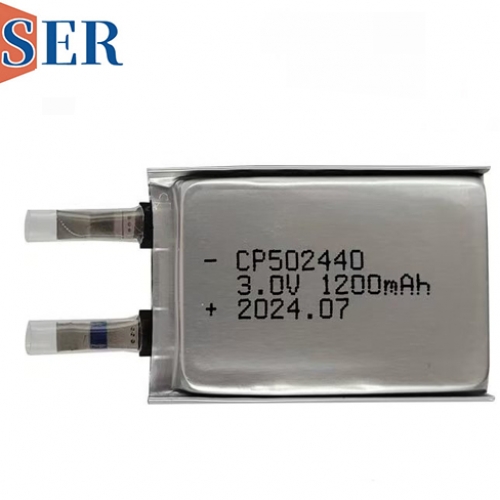
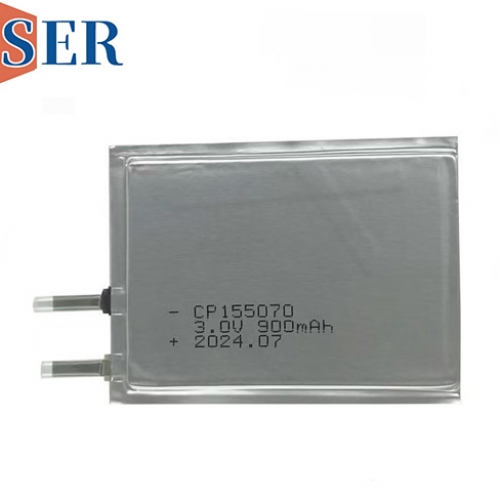
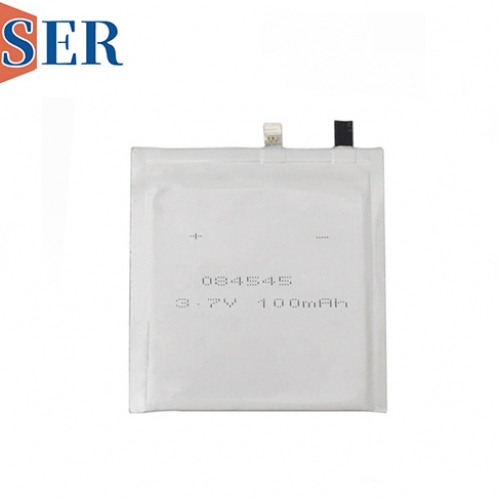
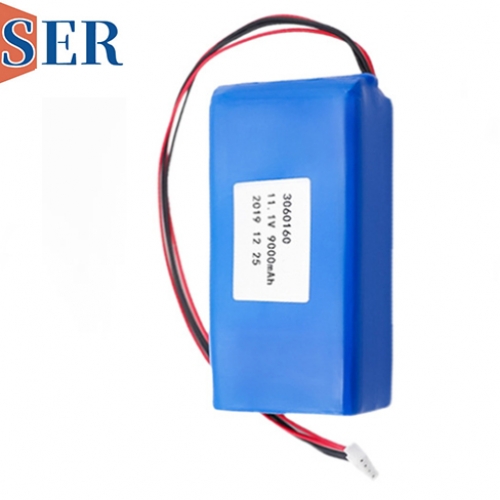
Anode lithium plating is a major bottleneck restricting the safety, cycle life, and reliability of rechargeable lithium batteries, especially for high-performance and specialized variants such as ultra thin battery, Lipo battery, high temperature battery, and rechargeable ultra thin Lipo battery. To address this critical issue, targeted solutions have been developed covering battery structure design, electrode manufacturing, electrolyte formulation, and charging protocol optimization. These solutions are tailored to the unique characteristics of different battery types, effectively mitigating lithium plating while maintaining or enhancing overall battery performance.
1. Battery Structure Optimization
The design of the cell structure has a profound impact on anode lithium plating. Rational structural optimization can significantly reduce the risk of lithium plating by improving current distribution and lithium ion accommodation capacity.
Firstly, reducing the overhang area (the part of the electrode that extends beyond the separator) helps avoid local current concentration and uneven lithium ion distribution, which are key triggers for local lithium plating. Secondly, configuring an appropriate N/P ratio (the ratio of anode capacity to cathode capacity) is critical. A well-designed N/P ratio ensures that the anode has sufficient capacity to accommodate all lithium ions extracted from the cathode, preventing excess lithium ions from precipitating on the anode surface. This is particularly important for rechargeable ultra thin Lipo battery and Lipo battery, which often adopt high-energy-density electrode materials and require precise capacity matching.
Additionally, the multi-tab design is an effective approach to uniformize the current density distribution within the cell during charging. By increasing the number of current collection points, the multi-tab design reduces local current density, avoiding local lithium plating caused by excessive local current. This design is widely applied in ultra thin battery, where the compact structure is prone to uneven current distribution.
2. Electrode Quality Control
The manufacturing process of electrodes, including slurry mixing, coating, and calendering, has a direct impact on electrode quality and thus the occurrence of anode lithium plating. Strict quality control in these three processes is essential to ensure uniform electrode performance.
In the slurry mixing process, the uniformity of material dispersion is crucial. Poor dispersion can lead to local defects in the electrode, such as uneven distribution of active materials or conductive agents, which cause local lithium plating during charging. Meanwhile, unstable slurry viscosity can result in coating defects, such as uneven surface density of the electrode. This unevenness further leads to uneven lithium ion intercalation, easily causing large-area lithium plating.
In the calendering process, excessive compaction of the electrode will reduce the porosity of the electrode and increase the resistance of lithium ion diffusion, resulting in insufficient lithiation kinetics of the anode. This insufficiency forces lithium ions to precipitate on the anode surface, leading to large-area lithium plating. For ultra thin battery and rechargeable ultra thin Lipo battery, which have thin electrode structures, precise control of calendering pressure is even more critical to balance electrode thickness and lithium ion diffusion performance.
3. Electrolyte Optimization
Anode lithium plating is closely related to anode polarization and lithiation kinetics, which are influenced by the mechanical properties, chemical stability, and ionic conductivity of the Solid Electrolyte Interface (SEI) film. The SEI film acts as a protective layer on the anode surface, and its quality directly determines the electrochemical performance and lithium plating resistance of the battery.
Functional additives (film-forming agents) in the electrolyte play a key role in improving the quality of the SEI film. By developing and adding appropriate film-forming agents, a dense, stable, and high-ionic-conductivity SEI film can be formed on the anode surface. This film enhances the lithium ion intercalation kinetics, reduces anode polarization, and thus effectively inhibits lithium plating.
For high temperature battery, electrolyte optimization is particularly important. High-temperature environments tend to degrade the SEI film, increasing the risk of lithium plating. Therefore, specialized electrolytes with high-temperature-resistant film-forming agents are developed to maintain the stability of the SEI film under high-temperature conditions, ensuring the lithium plating resistance of the battery.
4. Charging Process Optimization
As previously discussed, high-rate charging, overcharging, and low-temperature charging are the main scenarios that easily cause anode lithium plating. Based on these characteristics, optimizing the charging process is a cost-effective and efficient way to mitigate lithium plating without modifying the battery structure or materials.
One effective strategy is the adoption of self-heating technology. This technology heats the cell to an appropriate temperature before or during charging, which improves the ionic conductivity of the electrolyte, enhances lithium ion diffusion and intercalation kinetics, and thus reduces the risk of lithium plating under low-temperature conditions. This is particularly beneficial for ultra thin battery used in outdoor wearable devices that may face low-temperature environments.
Another key approach is to design a rational charging protocol. For example, during the low State of Charge (SOC) stage, high-rate charging can be used to improve charging efficiency. When the anode potential is about to reach the lithium plating potential (monitored by the battery management system, BMS), the charging mode is switched to Constant Voltage (CV) charging. This protocol avoids excessive current input when the anode is nearly saturated with lithium ions, preventing overcharging and lithium plating. This optimized charging protocol is widely applied in Lipo battery and rechargeable ultra thin Lipo battery used in high-power applications, balancing charging speed and battery safety.
Conclusion
Addressing anode lithium plating in rechargeable lithium batteries requires a comprehensive approach integrating battery structure optimization, electrode quality control, electrolyte formulation, and charging process optimization. For specialized battery types such as ultra thin battery, Lipo battery, high temperature battery, and rechargeable ultra thin Lipo battery, solutions must be tailored to their unique structural and application characteristics. By implementing these targeted solutions, the risk of anode lithium plating can be effectively mitigated, significantly improving the safety, reliability, and service life of rechargeable lithium batteries. This advancement promotes the broader application of rechargeable lithium batteries in diverse fields, from consumer electronics to industrial equipment and electric vehicles.