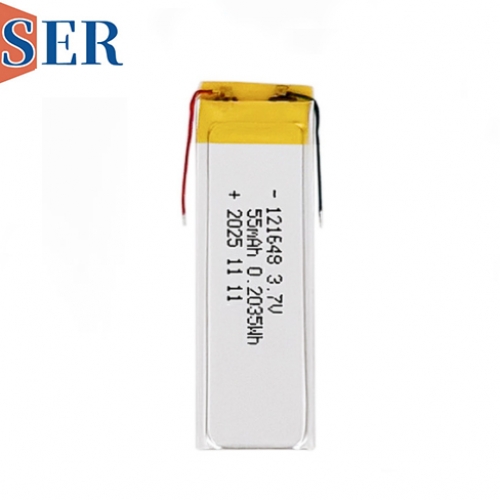
Lithium Plating Mechanism on Lithium Battery Anode: Key Insights for Ultra Thin battery and Lipo Batteries
Lithium Plating Mechanism on Lithium Battery Anode: Key Insights for Ultra Thin battery and Lipo Batteries
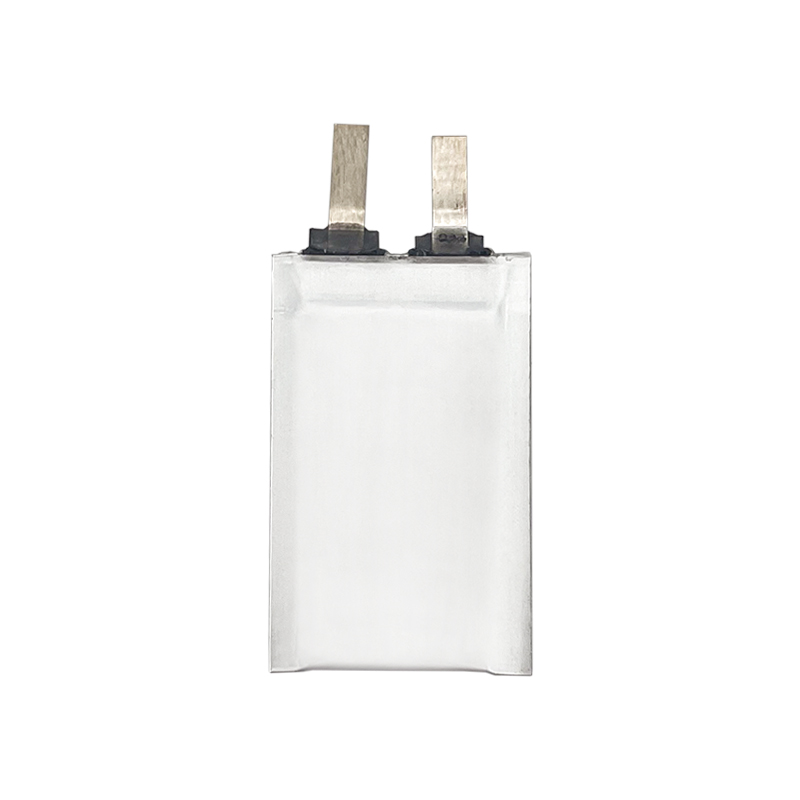
Lithium plating on the anode is a critical issue that significantly impacts the performance, safety, and cycle life of lithium-ion batteries, especially for high-demand variants like ultra thin battery, Lipo battery,high temperature battery, and rechargeable ultra thin Lipo battery. Understanding the underlying mechanism of this phenomenon is essential for optimizing battery design, enhancing operational stability, and extending service life in various applications—from compact wearables powered by ultra thin batteries to high-performance devices relying on Lipo batteries.
Core Mechanism of Anode Lithium Plating
The lithiation potential of graphite, a commonly used anode material in lithium-ion batteries, ranges from 65 to 200 mV (vs. Li⁺/Li⁰). Lithium plating occurs when the potential of the anode approaches or drops below the deposition potential of metallic lithium, causing lithium ions to precipitate on the anode surface in the form of metallic lithium rather than intercalating into the graphite structure.
Experimental studies have confirmed that the deposition reaction of lithium ions on the anode surface and the intercalation reaction into graphite proceed simultaneously. During the charging process, a portion of lithium ions is deposited as metallic lithium on the anode surface, while the remaining lithium ions intercalate into the graphite layers. Conversely, during discharge, both deintercalation of intercalated lithium ions and stripping of deposited metallic lithium occur.
A critical consequence of metallic lithium stripping is the formation of "dead lithium"—lithium that can no longer participate in the electrochemical reaction. The reaction between dead lithium and the electrolyte is a primary cause of capacity loss and shortened cycle life in lithium-ion batteries, posing significant challenges for the long-term reliability of rechargeable batteries, including rechargeable ultra thin Lipo batteries which are widely used in portable electronics.
Root Causes: Charge Transfer Limitation (CTL) and Solid-State Diffusion Limitation (SDL)
Anode lithium plating is essentially the result of two key limitations: Charge Transfer Limitation (CTL) and Solid-State Diffusion Limitation (SDL). As charging progresses, the available intercalation sites between graphite layers gradually become saturated, which restricts the solid-state diffusion of lithium ions within the graphite. This restriction leads to a gradual decrease in the lithiation current.
Meanwhile, the rate at which lithium ions diffuse from the electrolyte to the anode surface is much faster than the rate at which they can intercalate into the graphite structure. This mismatch causes an increasing number of lithium ions to accumulate on the graphite surface, driving the anode potential to approach the lithium plating potential. Eventually, this accumulation triggers the precipitation of metallic lithium, i.e., lithium plating.
Implications for Specialized Battery Types
Ultra Thin Battery & Rechargeable Ultra Thin Lipo Battery
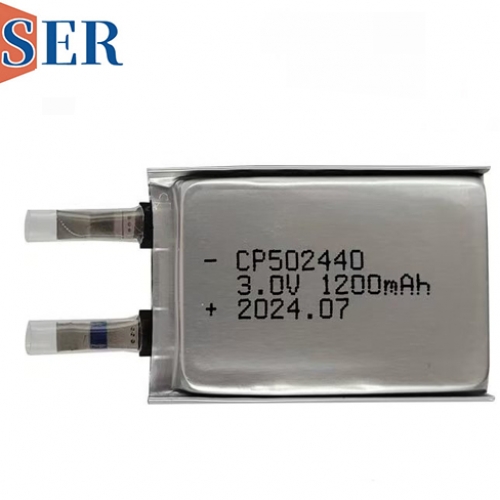
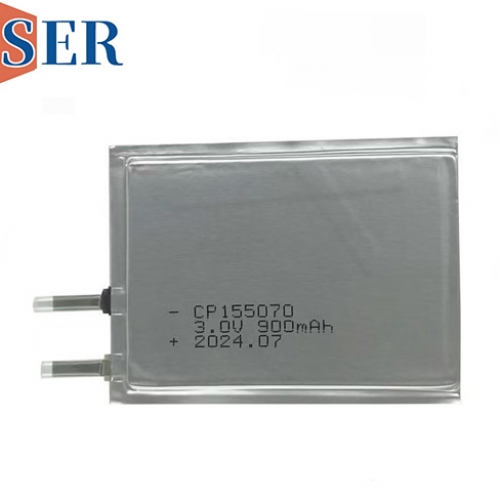
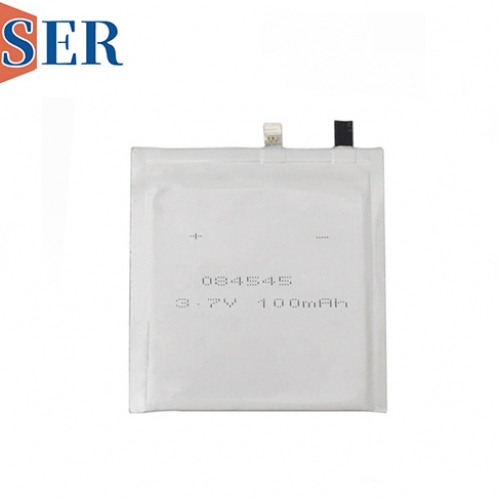
For ultra thin battery and rechargeable ultra thin Lipo battery, the risk of lithium plating is particularly prominent due to their compact structural design. The thin anode structure limits the volume of graphite material and the number of available intercalation sites, exacerbating solid-state diffusion limitations. Additionally, the narrow internal space of ultra thin batteries may lead to uneven current distribution during charging, further increasing the likelihood of local lithium plating. To mitigate this risk, manufacturers of rechargeable ultra thin Lipo batteries often optimize electrode thickness, adopt high-conductivity electrolytes, and implement precise charging protocols to control the charging rate and avoid overcharging.
Lipo Battery
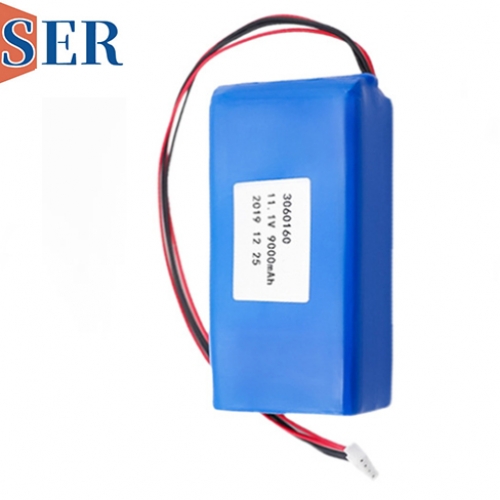
Lipo batteries, known for their high energy density and flexible form factor, are widely used in high-power applications such as drones and portable gaming devices. These applications often require fast charging, which significantly increases the risk of lithium plating. The high charging current intensifies the mismatch between the diffusion rate of lithium ions in the electrolyte and their intercalation rate into graphite, accelerating ion accumulation on the anode surface. To address this, advanced Lipo batteries are equipped with battery management systems (BMS) that regulate charging current and voltage, ensuring that the anode potential does not drop to the lithium plating threshold.
High Temperature Battery
High temperature battery operate in harsh environments with elevated temperatures, which also affects the occurrence of lithium plating. While high temperatures can improve the conductivity of the electrolyte and enhance lithium ion diffusion to a certain extent, they may also accelerate side reactions between the electrolyte and electrode materials, leading to changes in the anode potential. Moreover, long-term operation at high temperatures can degrade the graphite structure, reducing the number of effective intercalation sites and increasing the risk of lithium plating. Therefore, high temperature batteries are typically designed with specialized electrode materials and electrolytes that can maintain structural stability and electrochemical performance under high-temperature conditions, minimizing the occurrence of lithium plating.
Conclusion: Mitigating Lithium Plating for Enhanced Battery Performance
Anode lithium plating is a major threat to the performance and longevity of lithium-ion batteries, especially for specialized variants like ultra thin battery, Lipo battery, high temperature battery, and rechargeable ultra thin Lipo battery. By understanding its core mechanism—driven by CTL and SDL—and its specific implications for different battery types, manufacturers can develop targeted solutions, such as optimizing electrode design, improving electrolyte formulations, and implementing intelligent BMS. These measures are crucial for enhancing the reliability and safety of lithium-ion batteries, enabling their broader application in diverse fields from consumer electronics to industrial equipment.