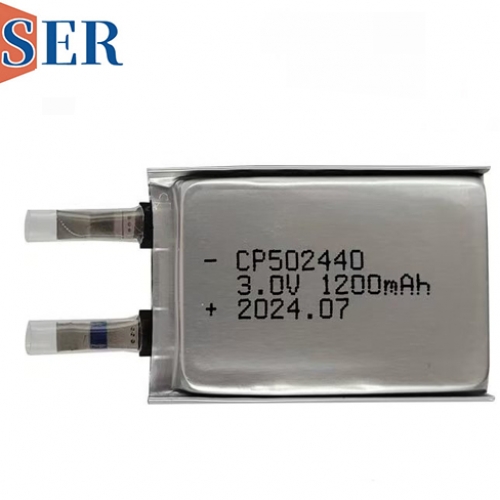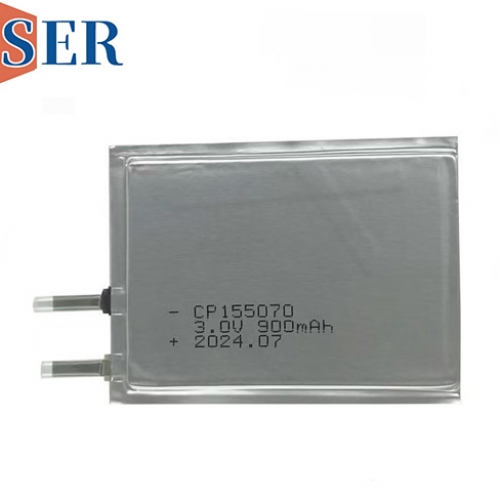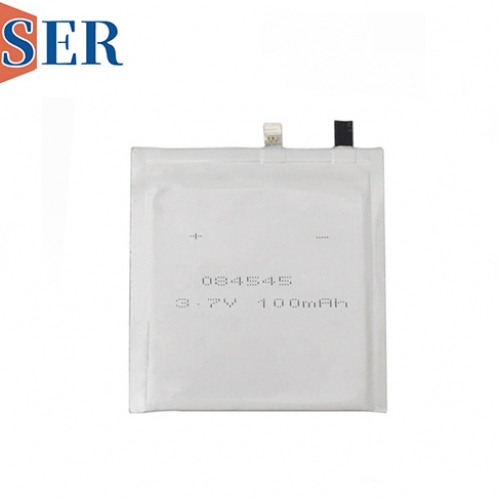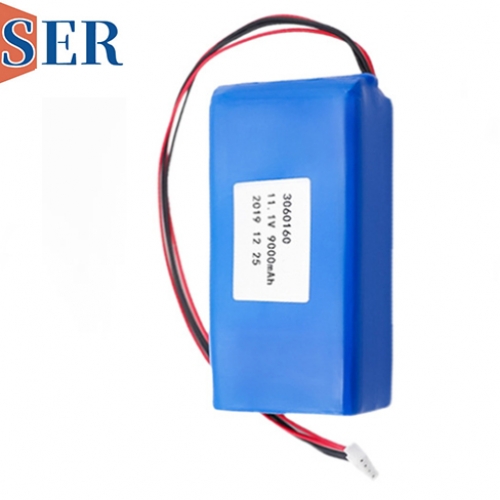
A Comprehensive Guide for LiSOCL2 battery, LiPo battery, Ultra Thin battery and High Temperature Batteries
Essential Lithium Battery Terminology: A Comprehensive Guide for LiSOCL2 battery, LiPo battery, Ultra Thin battery and High Temperature Batteries
In the dynamic world of energy storage, lithium batteries stand out as the cornerstone of modern portable electronics, industrial equipment, and renewable energy systems. Among the diverse range of lithium battery technologies, LiSOCL2 battery, LiPo battery, ultra thin battery, and high temperature battery have emerged as frontrunners for specialized applications—from remote industrial sensors to compact wearables and high-heat industrial environments. To fully leverage the performance of these batteries, understanding core technical terminology is critical. This guide breaks down key lithium battery parameters, including voltage, capacity, and internal resistance, with tailored insights for these high-demand battery types.
1. Voltage (V): The Driving Force of Lithium Batteries
Voltage is the electromotive force that drives electric current through a circuit, a fundamental parameter that dictates a battery’s compatibility with devices. For lithium batteries like LiSOCL2 battery, LiPo battery, ultra thin battery, and high temperature battery variants, four voltage metrics are particularly critical:
1.1 Open Circuit Voltage (OCV)
Open Circuit Voltage refers to the voltage of a battery when it is not connected to an external circuit or load. OCV has a direct correlation with a battery’s remaining energy; this principle is the basis for the battery level indicator in most electronic devices.
For LiSOCL2 batteries—widely used in long-term industrial deployments—OCV remains remarkably stable over their lifespan, making them ideal for devices that require consistent voltage output for years. Ultra thin batteries, commonly integrated into wearables and medical patches, also rely on stable OCV to ensure accurate battery level readings in compact, space-constrained designs.
1.2 Working Voltage (WV)
Working Voltage is the potential difference between a battery’s positive and negative electrodes when it is in operation, i.e., when current is flowing through the circuit. When a battery discharges, current must overcome internal resistance, so WV is always lower than OCV.
This parameter is especially important for high temperature batteries, which operate in harsh environments (e.g., oil drilling, automotive underhood systems). High temperatures can increase internal resistance, further reducing WV—making it critical to select high temperature batteries with low resistance to maintain stable performance. For LiPo batteries, which power drones and consumer electronics, stable WV ensures consistent device operation during high-current discharge.
1.3 Discharge Cut-off Voltage (DCV)
Discharge Cut-off Voltage is the minimum voltage a battery reaches when fully discharged after being charged. Continuing to discharge a battery beyond this threshold results in over-discharge, which severely damages the battery’s lifespan and performance.
For ultra thin batteries, which have limited capacity, adhering to DCV is essential to prevent irreversible damage—over-discharge can cause SEI film degradation and internal short circuits. LiSOCL2 batteries, as primary (non-rechargeable) cells, are designed to stop discharging naturally near their DCV, avoiding over-discharge risks in remote applications where monitoring is difficult.
1.4 Limited Charge Voltage (LCV)
Limited Charge Voltage is the voltage at which a battery switches from constant-current (CC) charging to constant-voltage (CV) charging during the charging process. This transition is critical for preventing overcharging, which can cause electrolyte decomposition, gas buildup, and safety hazards.
For rechargeable LiPo batteries, precise LCV control is a core feature of battery management systems (BMS), ensuring safe and efficient charging. High temperature batteries require specialized charging protocols, with LCV adjusted to account for temperature-induced changes in electrochemical behavior, preventing overcharging even in extreme heat.
2. Battery Capacity (Ah): Measuring Energy Storage Capability
Battery capacity is one of the most important performance indicators of a lithium battery. It refers to the amount of electricity a battery can deliver under specific conditions, including discharge rate, temperature, and cut-off voltage. Capacity is typically measured in ampere-hours (Ah), with 1 Ah equivalent to 3600 coulombs (C).
A simple example illustrates its practical significance: a 48V 200Ah battery can store 48V × 200Ah = 9.6 kWh of energy, which is equivalent to 9.6 units of electricity.
For specialized batteries, capacity takes on unique importance: ultra thin batteries prioritize high capacity-to-volume ratios to power wearables for days on a single charge; LiSOCL2 batteries deliver ultra-high energy density, supporting 10+ years of operation in remote sensors; high temperature batteries balance capacity retention with thermal stability, ensuring consistent performance in high-heat environments.
Battery capacity is categorized into three types:
2.1 Theoretical Capacity
Theoretical capacity is the maximum theoretical amount of electricity calculated from the mass of active materials using Faraday’s law. To compare battery performance across different chemistries and sizes, specific capacity is used—it refers to the theoretical charge per unit mass or volume, measured in Ah/kg (mAh/g) or Ah/L (mAh/cm³).
For LiPo batteries, high theoretical specific capacity is a key advantage, enabling lightweight designs for portable devices. LiSOCL2 batteries boast exceptional theoretical energy density, making them the top choice for low-power, long-duration applications.
2.2 Actual Capacity
Actual capacity is the actual amount of electricity a battery can deliver under specific conditions. It is calculated as the product of discharge current and discharge time, measured in Ah, and is always lower than theoretical capacity due to real-world factors like internal resistance and active material utilization.
Actual capacity is heavily influenced by operating conditions: high temperature batteries may lose 10–20% of their capacity at extreme temperatures, depending on material design; ultra thin batteries experience capacity degradation over cycles due to their thin electrode structure, emphasizing the need for high-quality active materials.
2.3 Rated Capacity
Rated capacity, also known as guaranteed capacity, is the minimum capacity a battery must deliver under specified discharge conditions, as mandated by national or industry standards. It is a key parameter for quality assurance, ensuring that batteries meet performance claims.
For industrial applications, LiSOCL2 batteries are certified to strict rated capacity standards, guaranteeing long-term reliability. LiPo batteries used in consumer electronics must also meet rated capacity requirements to pass regulatory certifications like CE and UL.
2.4 Key Factors Affecting Actual Capacity
The actual capacity of a lithium battery depends primarily on two factors:
3. Internal Resistance (mΩ): The Hidden Limiter of Performance
Internal resistance is the resistance that current encounters when flowing through a battery during operation. It is a critical parameter that impacts battery efficiency, heat generation, and lifespan. Internal resistance is influenced by battery materials, manufacturing processes, and structural design—factors that are carefully optimized for LiSOCL2 battery, LiPo battery, ultra thin battery, and high temperature battery to meet application demands.
3.1 Components of Internal Resistance
Lithium battery internal resistance consists of two parts:
3.2 Impacts of High Internal Resistance
Internal resistance is an inherent property of all batteries—while it cannot be eliminated, it can be minimized through optimized design and manufacturing. High internal resistance leads to increased heat generation during charge and discharge, which can accelerate battery degradation and pose safety risks.
Common factors that increase internal resistance include:
3.3 Dynamic Changes in Internal Resistance
Internal resistance behaves differently under different battery states:
Conclusion: Mastering Terminology to Select the Right Lithium Battery
Understanding core lithium battery terminology—voltage, capacity, and internal resistance—is essential for selecting the optimal battery for your application. Whether you need a LiSOCL2 battery for long-term industrial monitoring, a LiPo battery for high-performance consumer electronics, an ultra thin battery for compact wearables, or a high temperature battery for harsh environment operations, these parameters dictate performance, reliability, and safety.
By leveraging this knowledge, engineers, manufacturers, and buyers can make informed decisions, ensuring that lithium batteries deliver maximum value for their specific use cases. For premium lithium battery solutions tailored to your needs, visit www.serui-battery.com to explore our full range of LiSOCL2 battery, LiPo battery, ultra thin battery, and high temperature batteries.