What is beneficial about passivation of Li-SOCL2 Battery
What is beneficial about passivation of Li-SOCL2 Battery
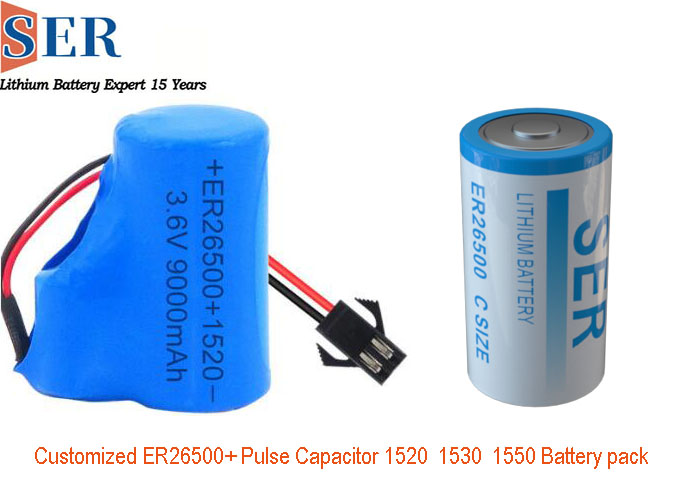
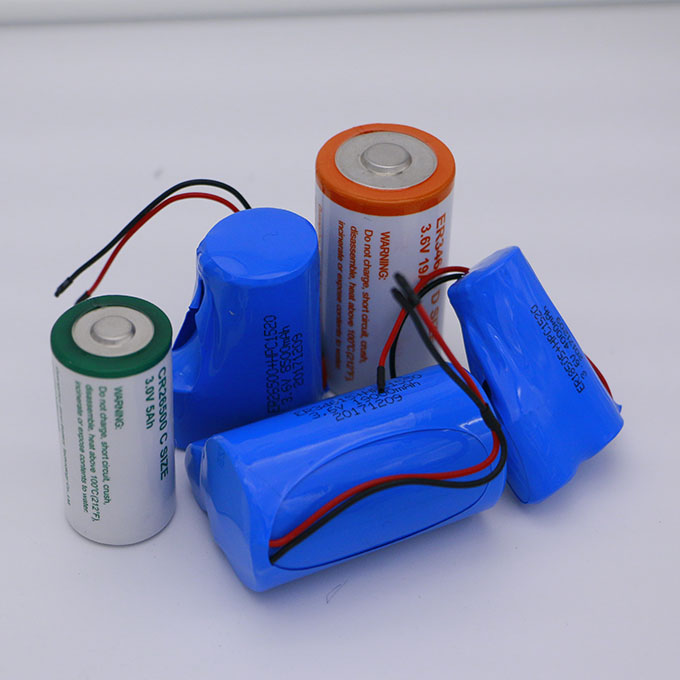
The passivation of LiSOCl2 battery ensures an extremely low self-discharge rate during storage. thus, Lithium thionyl chloride batteries are very durable and have a very good shelf life. The self-discharge rate of only 1% per year speaks for itself.
The longevity of lithium thionyl chloride batteries ( LiSOCl2 battery )is due to the chemistry of the cell. Unlike other lithium primary cells, the lithium thionyl chloride ( LiSOCl2 battery) cell undergoes a chemical reaction between the lithium anode and the electrolyte. As a result, a protective film forms over the lithium anode, which impedes the ion flow between the anode and cathode. This is referred to as “passivation” of the battery cell.
This Lithium thionyl chloride battery passivation phenomenon has advantages and disadvantages. On the one hand, passivation is responsible for the low self-discharge rate of the Li-socl2 battery. On the other hand, the resulting protective film initially impedes the current flow when the Lisocl2 battery is put into operation. The protective film of the Lithium thionyl chloride battery passivation gradually fades away as the battery continues to operate. However, it forms again as soon as the battery stops drawing current. For this reason, lithium thionyl chloride batteries are particularly suitable for applications with low power consumption. The power requirement of the application can be constant or pulse-shaped.
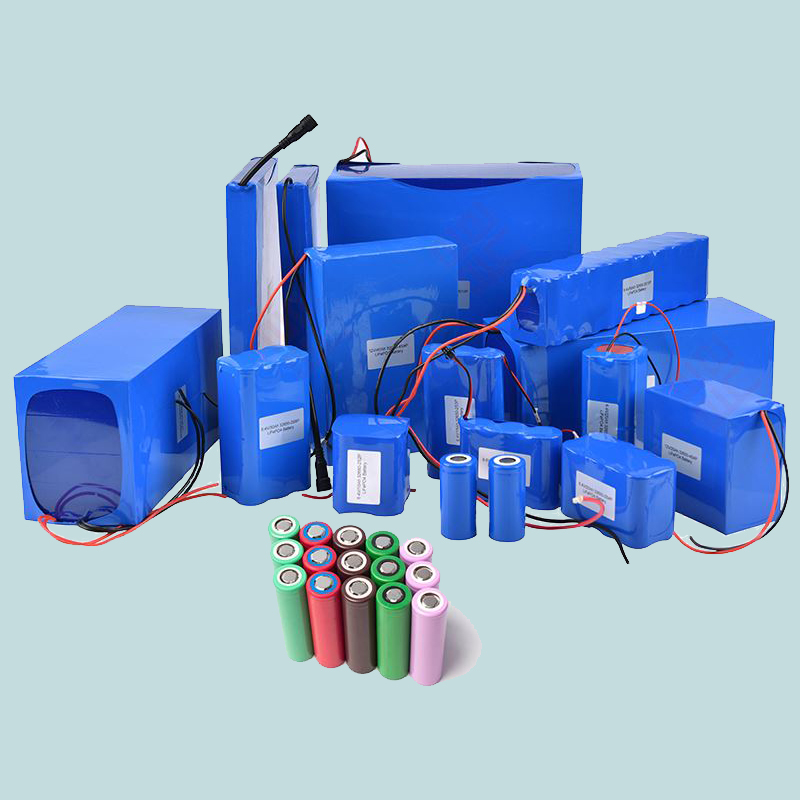
We provides complete solutions for your battery system according to your requirements - standard cells and custom packs, from simple cells to intelligent battery packs for the most demanding applications.